
Mico Dan
Team lead & chief question-asker. Kept every meeting honest with one line: “but would this create a job?”
the field notebook of think tank AREA 51
helping small businesses grow into the employers young people are waiting for ↓
← our flag, our brief: build for South Sudan
the people
Six students from the African Leadership University who picked the hardest brief on the board — youth unemployment in South Sudan — and refused to put it back.
Team lead & chief question-asker. Kept every meeting honest with one line: “but would this create a job?”

Research engine. Turned messy PESTLE rabbit-holes into the numbers that anchor this whole notebook.
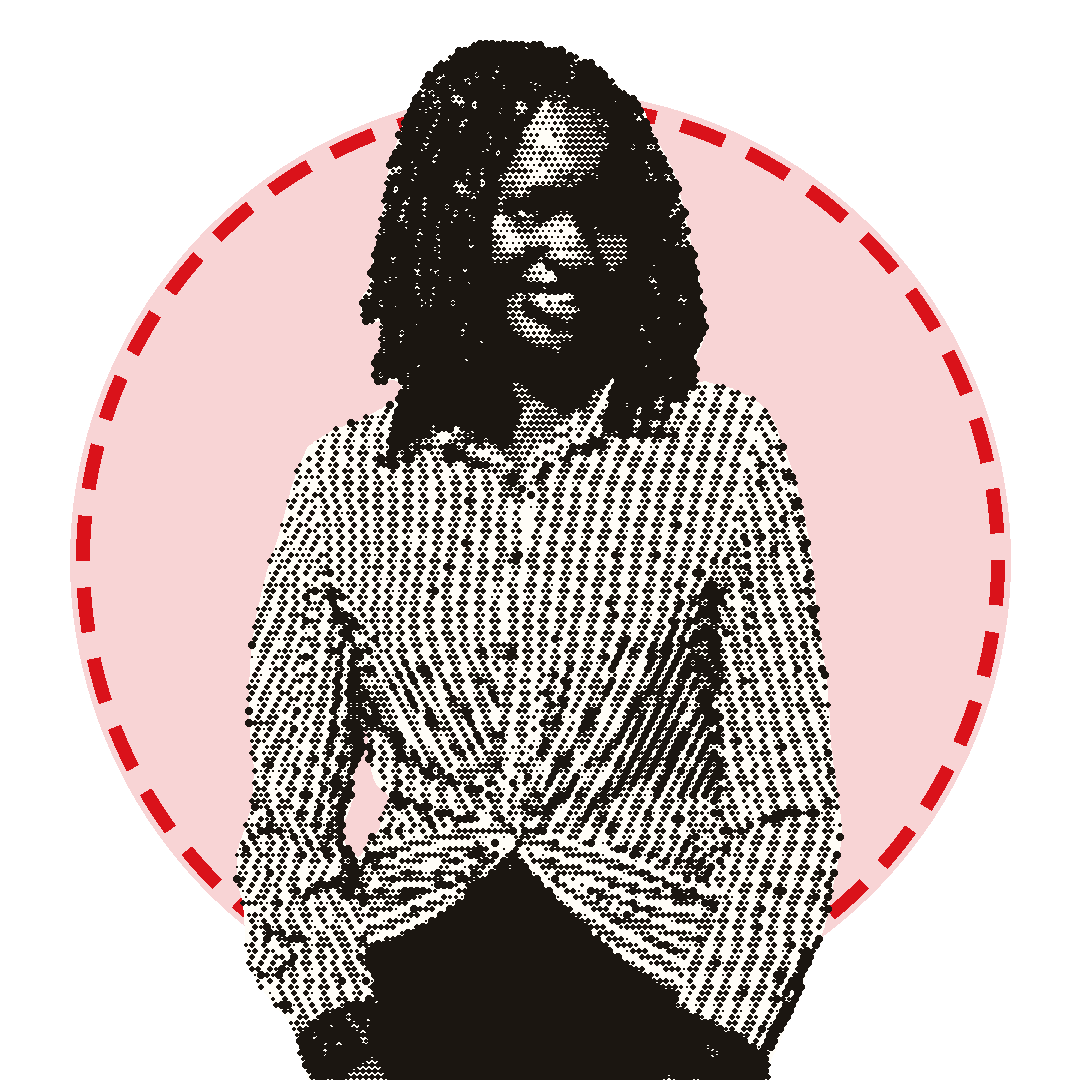
Our compass on the ground. Grew up closest to the problem and made sure the solution stayed South Sudanese.

Empathy-mapper & interview wrangler. Collected the voices from the field you'll read below.

Storyteller. Built the pitch that made a room full of strangers care about SMEs in Juba.

Numbers & digital. Modelled the budget, and stitched this very website together. Hi 👋
why we exist
our mission, in one breath —
To assist South Sudanese youth with the skills, tools & opportunities they need to create sustainable jobs for themselves and their communities.
the problem
We wrote the numbers on stickers so we'd never stop seeing them. They are still hard to look at.
Youth unemployment remains a fatal issue in South Sudan. Youth unemployment sits above 50%, and government reports suggest up to 95% of youth lack formal employment despite holding secondary or university qualifications.
The private sector is barely integrated into the economy — South Sudan leans on oil for 90% of government revenue — so outside of government work there are few chances to get a job. The more youth stay unemployed, the deeper they fall into poverty and the more the state spends on safety nets, weakening the economy further.
Empowering small business owners to establish and grow ventures — through acceleration, funding and hands-on support — creates easily accessible employment, lowers unemployment and diversifies the economy away from oil.
research
A PESTLE sweep, empathy maps, stakeholder charts, and real conversations. This is where the desk research met the dust.
Elections rescheduled again to December 2026. A fragile government structure scares off the foreign investment that could power private-sector jobs.
Oil-dependent GDP whiplash: −26.1% in 2024, then a ~46% rebound in 2025. Official unemployment ~13% masks 75% of youth stuck in subsistence work.
Roughly 4 in 10 girls marry before 18, cutting education short. Returnees from Sudan's crisis are overwhelming an already thin labour market.
e-Tax becomes mandatory by March 2026 — yet only 13% of citizens have internet access. Basic connectivity cuts joblessness odds by ~14%.
No dedicated commercial courts, no specialised arbitration. Business disputes have nowhere reliable to go — a silent tax on every venture.
Routine extreme flooding threatens small businesses — but the EU-funded GREBI incubator is actively backing climate-resilient, youth-led SMEs.
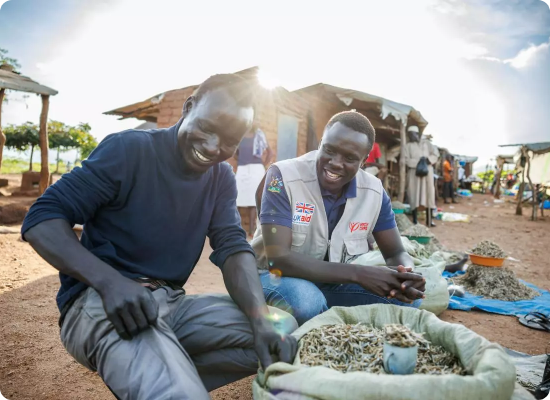
“Infrastructure is our #1 barrier to growth — before anything else.”
every single business owner we asked
“Finance for SMEs? Extremely limited. Banks don't see us.”
SME owner, Juba
“Applicants have degrees but no practical experience — so we can't hire them.”
employer, on the skills gap
“Too often the job goes to a cousin, not a candidate.”
graduate, on nepotism in hiring
the big idea
A growth accelerator that pairs existing small businesses with university student teams — so businesses scale, and students graduate with real experience and real job offers.
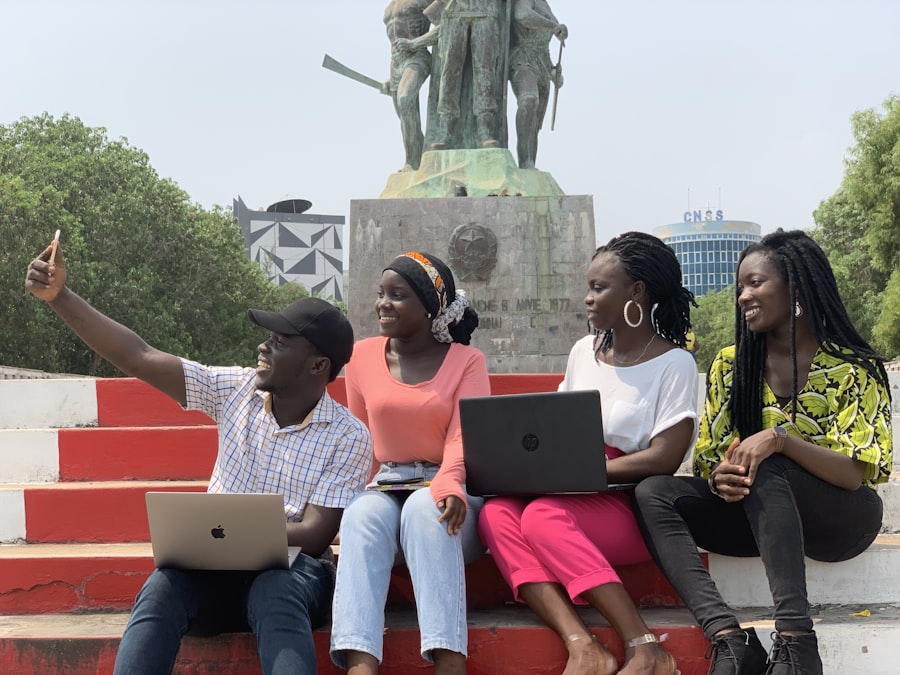
Hands-on support in bookkeeping, marketing and business planning — supervised, structured, and free for the SME.
High-quality consulting received — and a commitment to hire youth interns and employees as they grow.
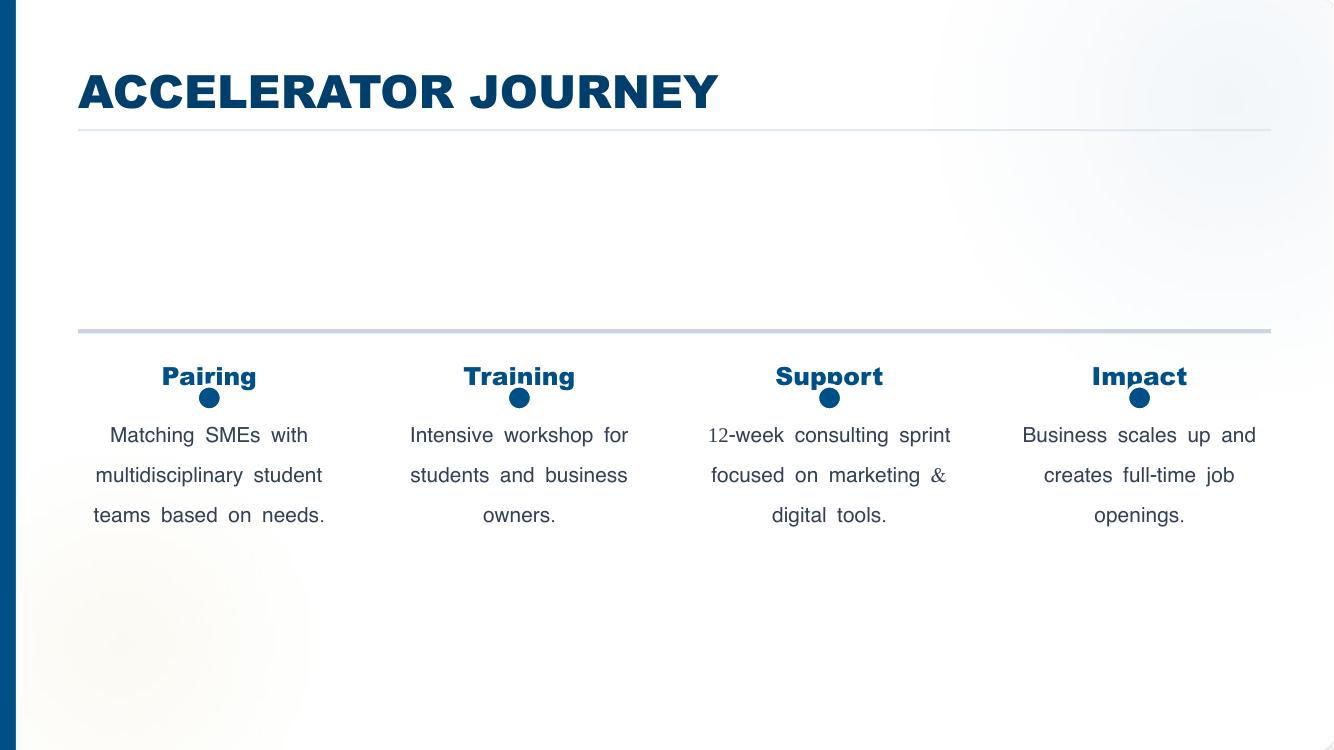
Match SMEs with multidisciplinary student teams based on what each business actually needs.
An intensive kickoff workshop for both the students and the business owners.
A 12-week consulting sprint focused on marketing, bookkeeping and digital tools like e-Tax.
The business scales up — and opens full-time roles for the youth who helped it grow.
We don't just train job-seekers into a market with no jobs. We grow existing businesses' capacity to hire — creating the demand side, not just supply.
SMEs get free, supervised consulting. Students get the practical experience that removes the single biggest barrier employers named: “no experience.”
Local businesses in agriculture, manufacturing and tech, professionalising and scaling up.
University youth bridging the gap between classroom theory and industry reality.
A society gaining a diversified local economy — and jobs that don't depend on oil.
if we get this right…
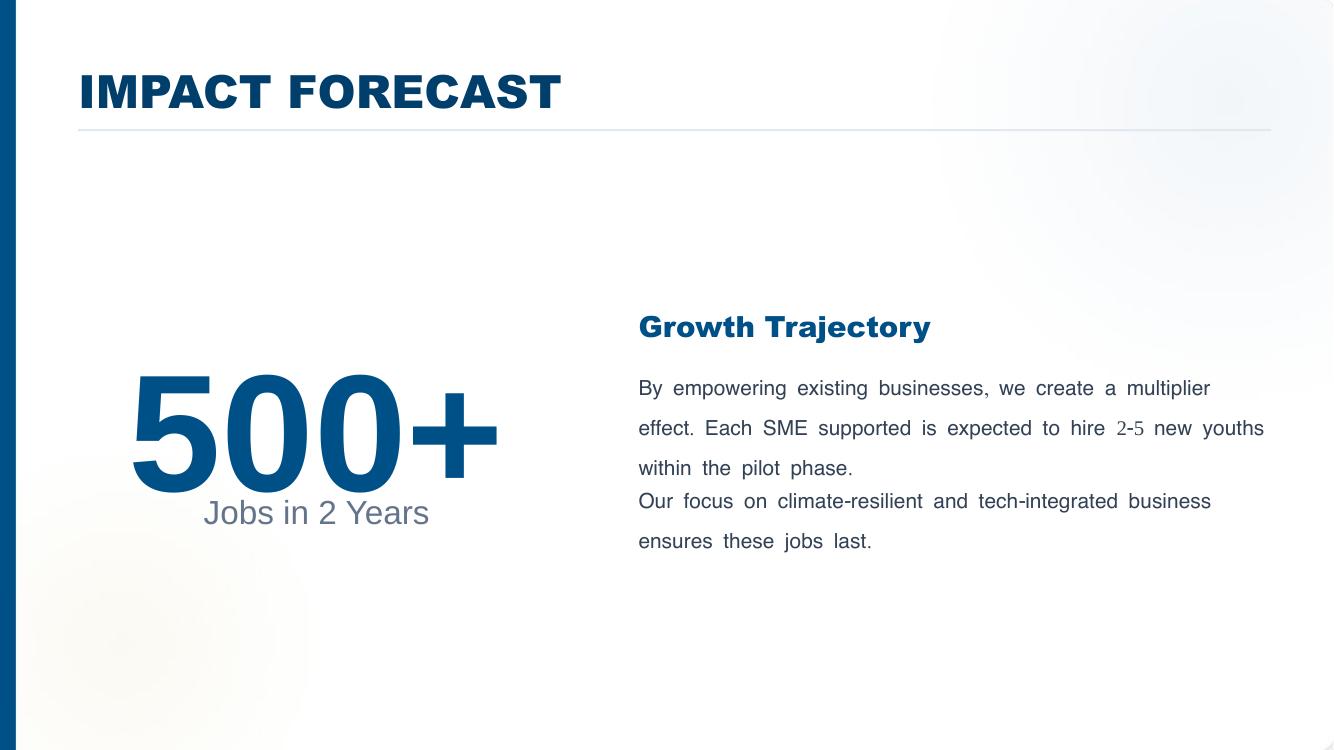
0+
jobs within 2 years
Each supported SME is expected to hire 2–5 young people during the pilot alone. Growing employers multiplies jobs — and our focus on climate-resilient, tech-integrated businesses means those jobs last.
| Investment area | Amount | What it unlocks |
|---|---|---|
| Pilot operations — space & internet | $2,000 | Seamless connectivity for e-Tax & digital tools |
| Student team stipends (5 teams) | $4,000 | Commitment & transport for every team |
| Mentorship & training resources | $1,500 | Curriculum & expert facilitators |
| Marketing & outreach | $1,000 | Attracting top-tier SMEs to the pilot |
| M&E & contingency | $1,500 | Measuring success, absorbing surprises |
the road here
E-Lab handed us six challenges. Here's what each one asked of us — and what we made.
Six strangers became AREA 51. We named ourselves after the place where impossible things are rumoured to be built — then wrote the mission statement that has anchored every page since.
A SMART problem statement, a five-whys root cause dig, and a full PESTLE analysis. This is where “unemployment is bad” became “the private sector is underdeveloped — fix that.”
Empathy maps, stakeholder analysis, and five interviews — one in person, four by questionnaire. The field told us what no report did: experience and nepotism block youth more than any policy.
Ideation, a lean canvas, and an MVP blueprint. The South Sudan Growth Lab was born: students consult, businesses grow, and both sides walk away with what they were missing.
We pitched the Growth Lab — the fatal gap, the accelerator journey, the $10,000 ask — to a live audience. A few pages from that deck, straight into this notebook:
Challenge six asked us to put the whole journey on the web. You're looking at it — hand-built, themed in the colours of the South Sudanese flag, every scribble intentional.